Our research seeks to understand how metabolic and environmental stressors alter cardiovascular and neuronal signaling from the molecular to whole-organism level. Major areas of interest include vascular smooth muscle signaling, cAMP microdomains, ion channels and calcium regulation, vascular reactivity, and sex-dependent cardiovascular responses. We investigate how these mechanisms are disrupted in major cardiovascular and neurovascular disease states, including hypertension, diabetes, Alzheimer's disease and HFpEF as well as during exposure to tobacco and electronic cigarette exposure.


Movement of CaV1.2 containing vesicles using TIRF microscopy and after processing with the SRRF tool.

To test our exciting hypotheses, we are implementing a multi-scale approach that combines the latest in molecular biology, biochemistry, electrophysiology, microscopy and computational simulations.

Our studies often include results that go from the mRNA level to complex physiological responses.

Our current research interests focus on live cell (see movie) and tissue imaging of molecules and processes that control cardiovascular function. We are also endeavoring in the neuronal field with exciting collaborations. For more details about our studies, please visit the Publications section!
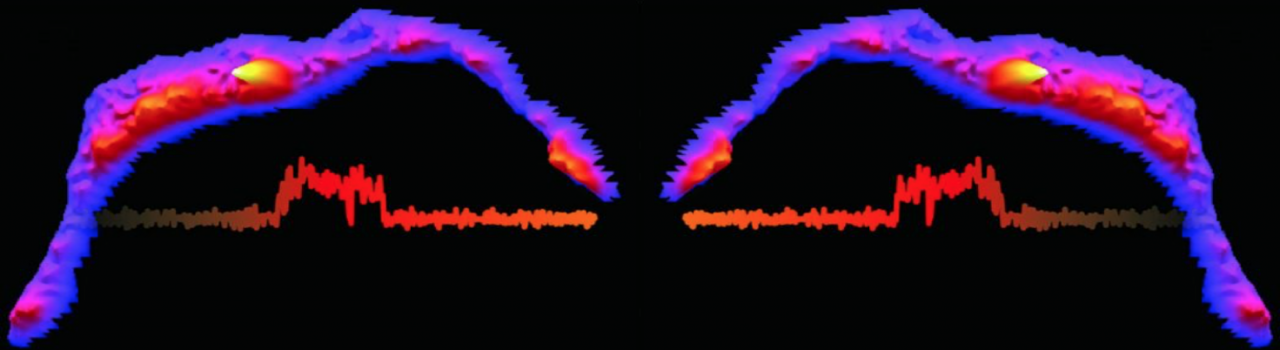
Dynamic trafficking of L-type calcium channels visualized for the first time in native smooth muscle cells. We are interested in examining the mechanisms underlying this behavior and their role in pathological conditions.

The video shows a laser speckle movie of mesenteric arteries constricting in response to angiotensin II.

The video shows a laser speckle movie of cerebral arteries relaxing in response to applying a vasodilatory mixture cocktail.

3D two-photon image of mouse cerebral vasculature (red) and smooth muscle cells expressing the GrabATP biosensor (green).